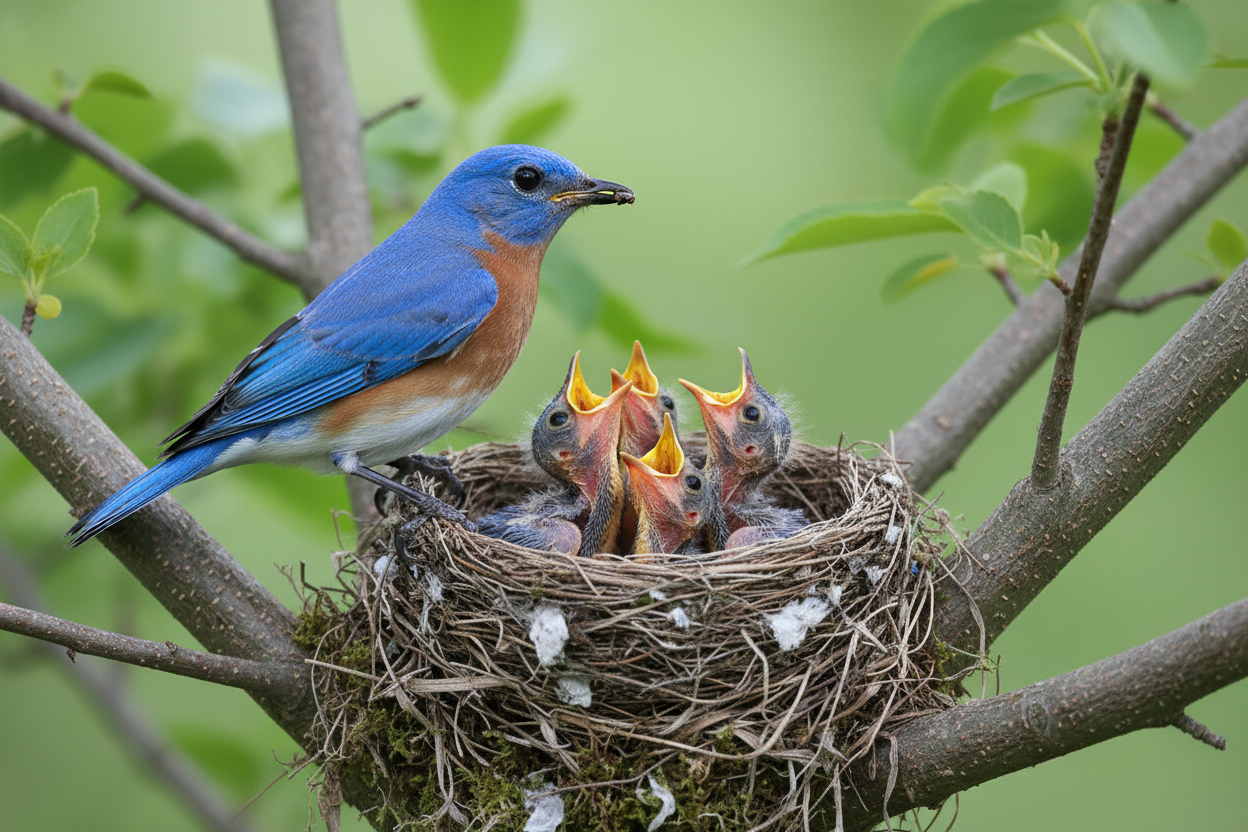
Quick Facts: Southern Bluebird Nesting (Q1)
- The Scouting Phase: In the South (Zones 8-10), bluebirds begin "prospecting" for nesting cavities as early as late January and throughout February.
- Early Eggs: In states like Texas and Florida, the first eggs are often laid by early to mid-March.
- Key Food Source: While bluebirds are insectivores, they rely heavily on berries and supplemental mealworms during late winter cold snaps.
- Territoriality: Male bluebirds become highly vocal and territorial in February as they claim nesting boxes.

While birders in the North are still counting finches in the snow, residents of the Southern United States are already hearing a different sound: the musical, warbling song of the Eastern Bluebird.
In regions like Florida, Georgia, and the Gulf Coast, February isn't the dead of winter—it’s the start of the "Real Estate" season. Bluebirds are partial migrants; while some move south for the winter, our resident southern populations never leave. By early February, these birds are already breaking out of their winter flocks to scout for the perfect place to raise their first brood of 2026.
The February "Prospecting" Phase
Before the first nest of pine needles is ever woven, bluebird pairs engage in a behavior called "prospecting." The male will locate a suitable cavity—often a nest box—and try to entice a female by fluttering his wings and hopping in and out of the hole.
If you have a Trail Optics 1080p Ultra HD feeder nearby, you may catch this behavior on camera even before you see them in the box. Bluebirds will often "perch and scan" from the top of a feeder, using the elevated vantage point to defend their chosen territory from rival males.
Your Southern Early-Season Checklist
1. Clean and Repair Nest Boxes (Deadline: Feb 1st)
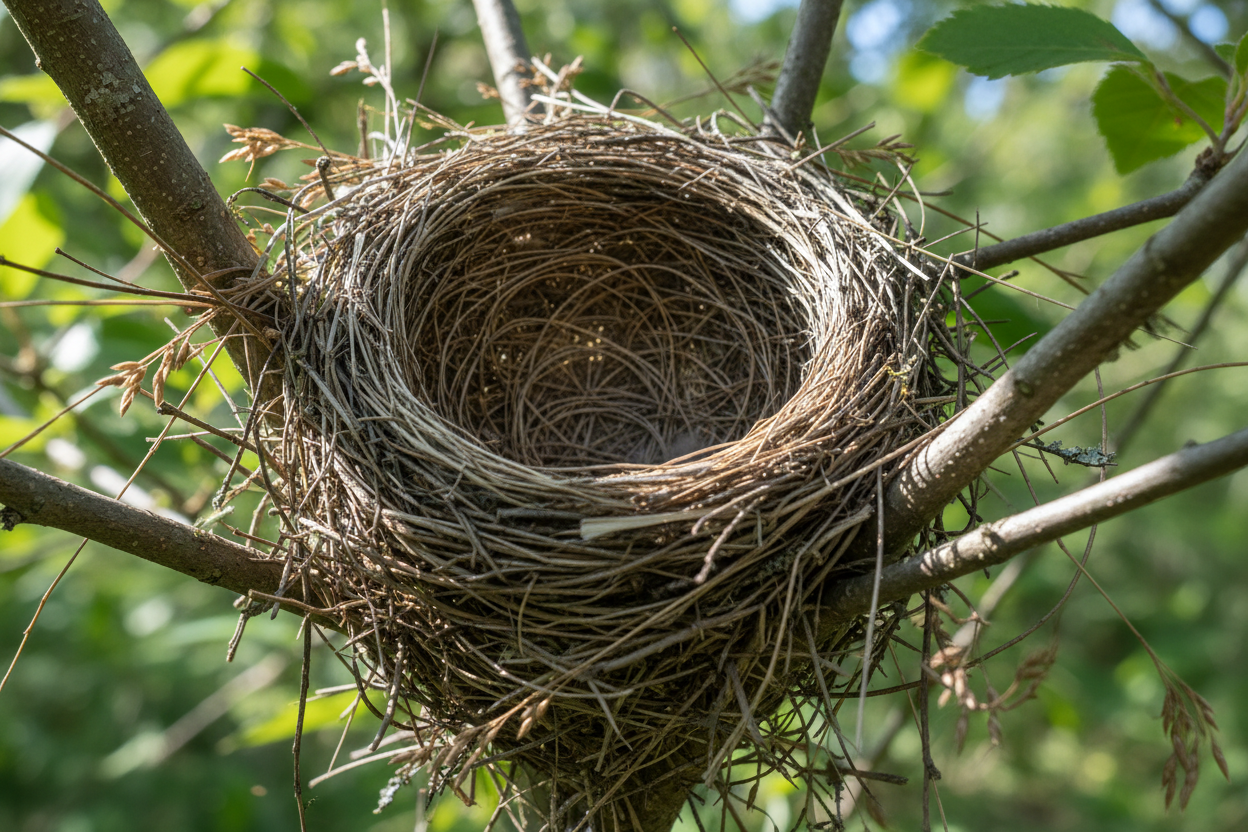
If you haven't already, now is the time to clean out last year's nesting material. Bluebirds are fastidious but will avoid boxes with old, parasite-ridden nests. Ensure the box is sturdy, the entry hole is exactly 1.5 inches (to exclude starlings), and it is mounted 5–6 feet off the ground facing an open area.
2. Offer High-Protein "Fuel"
Late winter can be deceptive. While the sun is out, the insect population hasn't fully emerged. This is the most critical time to offer supplemental food.
- Mealworms: These are the "gold standard" for attracting bluebirds.
- Suet Nuggets: High-fat nuggets provide the calories needed for males to maintain the energy required for territorial defense.
3. Use Technology to Monitor "First Arrivals"
Because bluebirds can be shy around high-traffic feeders, using the Trail Optics Ultra HD camera allows you to monitor their presence without disturbing them.
By checking your app’s "Guest List," you can identify exactly when your local pair has returned. If you see a male bluebird frequently visiting your feeder in early February, it’s a sign that he has claimed your yard as his territory. This is your cue to ensure your nesting boxes are ready and your mealworm tray is stocked.
Why 1080p Detail Matters for Bluebird Fans
Eastern Bluebirds are famous for their vibrant "royal blue" backs and "rusty red" breasts. However, in the low, angled light of February, these colors can appear muted to the naked eye. The Trail Optics 1080p Ultra HD sensor is specifically optimized to capture these vivid hues even in shadows, allowing you to distinguish between a resident male and a passing migrant by the subtle brightness of his plumage.

Avoiding the "Feeder Traffic" Trap
A common mistake in the South is placing the nesting box too close to the main seed feeder. Bluebirds prefer a quiet "territory" for their nest. For the best results, place your nesting box at least 50–100 feet away from your Trail Optics feeder. This allows the bluebirds to use the feeder for food while maintaining a peaceful, low-traffic zone for their upcoming brood.
Get Ready for the Bluebird Boom The early bird truly does get the worm—and the best nesting site. By preparing your southern backyard in February, you are setting the stage for up to three successful broods this year. Watch the drama of the 2026 nesting season unfold from the very first wing-flutter.
Equip Your Yard with Trail Optics 1080p Ultra HD (Available on the Trail Optics Website or Amazon)

Leave a comment
This site is protected by hCaptcha and the hCaptcha Privacy Policy and Terms of Service apply.