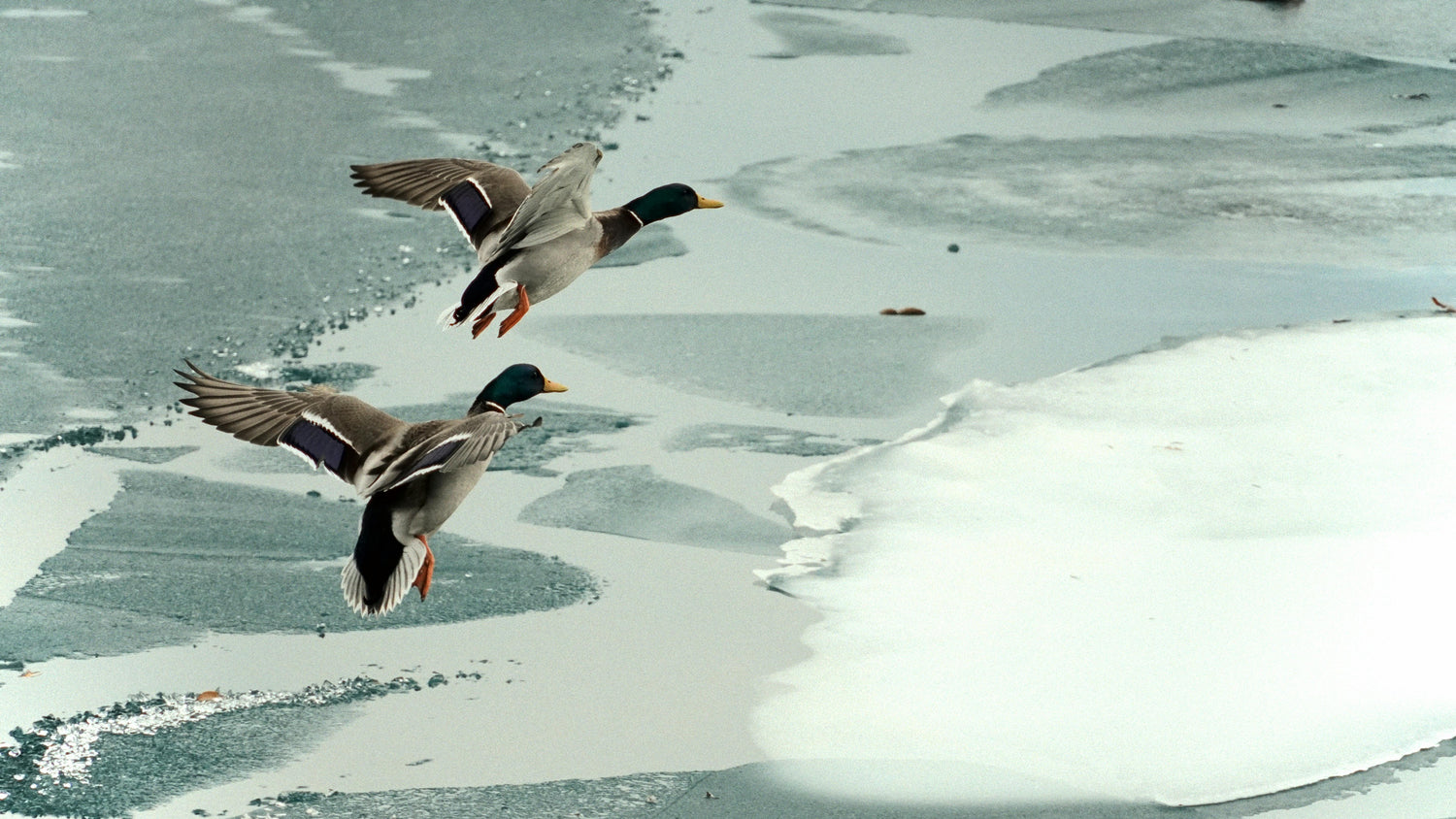
When the temperatures drop and frost begins to coat the ground, it’s easy to wonder how small backyard birds manage to make it through the night. Without thick fur or shelter, their survival depends on remarkable adaptations — and a little help from people who care.
Here’s a look at how birds endure freezing conditions, and how you can make your backyard a safe haven this winter.
1. How Birds Stay Warm in Freezing Temperatures
Birds have evolved several impressive strategies for surviving the cold:
- Feather insulation: Birds fluff up their feathers to trap warm air close to their bodies, creating a natural down jacket.
- Roosting behavior: Many species huddle together in tree cavities, shrubs, or even birdhouses to conserve heat.
- Torpor: Some small birds, like chickadees, enter a temporary state of lowered body temperature and metabolism to conserve energy overnight.
Even with these tactics, long, cold nights can take a toll — especially when food is scarce.

2. Why Consistent Feeding Matters
Birds rely heavily on stored fat to survive through the night. Every ounce of energy counts. That’s why consistent access to food during the day is critical — it helps birds build the reserves they need before sundown.
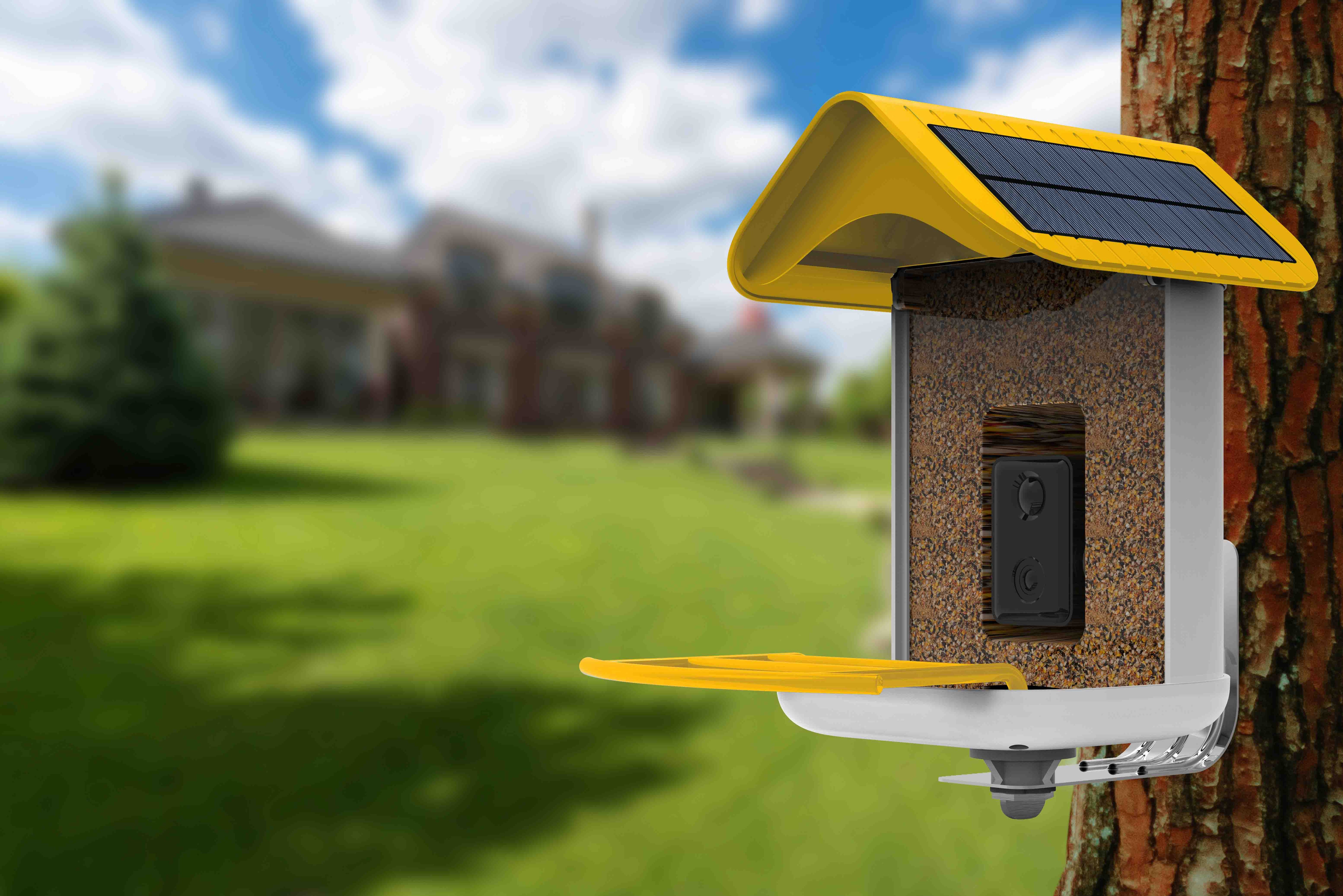
Trail Optics Smart Feeders make that easy by ensuring food is always available, even during extreme weather. With real-time notifications and dual solar panels that power the feeder through cloudy days, you’ll always know when your birds need a refill.
3. Offer High-Energy Winter Foods
Not all bird food is created equal. In cold weather, birds prefer calorie-dense, fat-rich foods that deliver quick energy:
- Black oil sunflower seeds — a universal favorite.
- Suet — a top choice for woodpeckers, wrens, and nuthatches.
- Peanuts and mealworms — packed with protein and fat.
Keeping your feeder well-stocked with these options ensures your local flock stays active, healthy, and warm.

4. Provide Shelter and Water
A warm meal isn’t the only thing birds need — they also require shelter and hydration.
- Place feeders near dense shrubs or evergreen trees for easy access to cover.
- Consider adding a heated birdbath or regularly refreshed shallow dish of water.
- Avoid placing feeders in open, windy spots.
Trail Optics feeders are weather-sealed and durable, so you can keep them outdoors all winter long without worry.
5. Capture and Share Winter Wildlife Moments
Winter is one of the most rewarding times for birdwatching. With Trail Optics’ built-in HD camera, you can capture photos and videos of your feathered visitors braving the cold — even when you’re staying cozy indoors.
You can also use the app to share your sightings with friends or post them on social media. Watching birds persevere through winter reminds us of nature’s resilience — and the difference small acts of care can make.
Surviving cold nights takes both instinct and support. By providing consistent food, shelter, and fresh water, you’re helping local birds stay strong all season long.
With Trail Optics’ solar-powered smart feeders, you can enjoy watching their winter routines up close while knowing your backyard is making a real difference.


Leave a comment
This site is protected by hCaptcha and the hCaptcha Privacy Policy and Terms of Service apply.