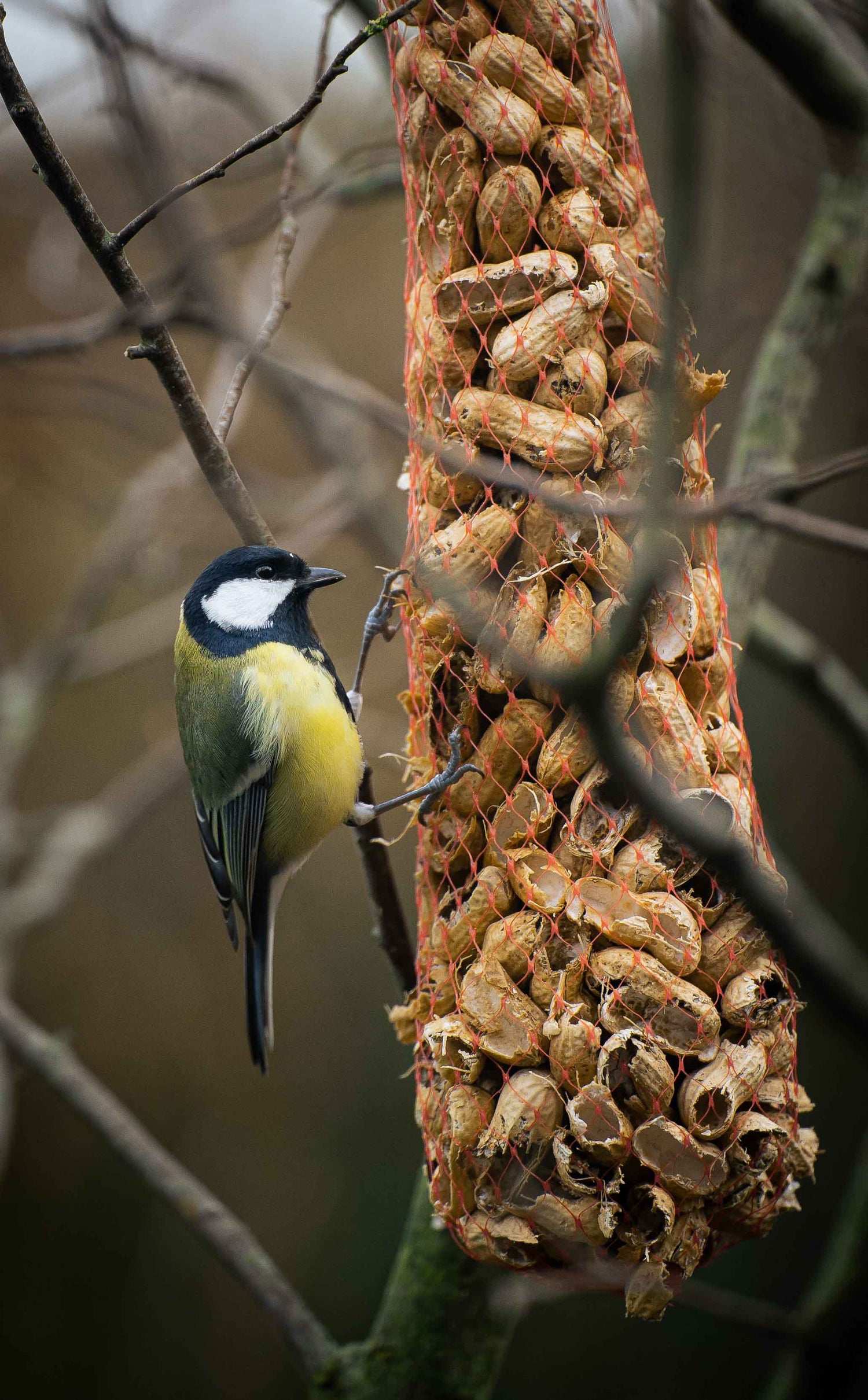
The start of the year brings subtle but exciting changes to backyard bird activity. As winter deepens and daylight slowly returns, new species begin appearing at feeders while others shift their habits in preparation for the months ahead. If you’re hoping to expand the variety of birds visiting your yard in early 2026, the right combination of food, placement, and smart technology can make all the difference.
With a Trail Optics Smart Feeder, you can capture every new arrival in crisp detail and easily identify species you’ve never seen before.

Offer a Variety of Winter Foods
Different birds are attracted to different foods, and winter is the perfect time to diversify what you provide.
Try offering:
- Black oil sunflower seeds – loved by cardinals, chickadees, and finches
- Nyjer seed – brings goldfinches, siskins, and redpolls
- Peanuts – attracts jays, titmice, and woodpeckers
- Suet – essential for nuthatches, wrens, and woodpeckers
- High-fat winter blends – fuel for cold-weather survival
Rotating foods helps you attract species you may not have seen in your yard before.
Create a Safe, Welcoming Environment
Birds are more likely to explore a new feeder if they feel protected.
Encourage new species by:
- Positioning feeders near shrubs or evergreens
- Avoiding open, exposed spaces
- Keeping pets away from high-activity areas
- Providing multiple perching options
- Adding natural shelter like brush piles or dense vegetation
A safe environment encourages shy or uncommon species to visit confidently.
Provide Fresh, Unfrozen Water
Water can attract just as many new birds as food — especially in winter when natural sources freeze.
To increase activity:
- Use a heated bird bath to prevent icing
- Refresh water daily
- Keep baths shallow and near cover
Many species that don't frequent feeders will still stop for water, giving you new footage and new visitors.

Use Smart Tech to Track New Arrivals
This is where Trail Optics stands out. Winter often brings species that are harder to identify, especially finches, sparrows, and regional visitors.
Your Smart Feeder helps you:
- Capture new species automatically
- Use AI identification to recognize unfamiliar birds
- Save clips of rare sightings
- Share exciting new species with friends and family
- Track seasonal patterns in your yard
It turns your backyard into an ongoing nature journal — one that updates itself.
Try Different Feeder Types and Locations
Some birds prefer platform feeders, while others favor enclosed spaces or specific perches. Even moving a feeder a few feet can change which birds visit.
Experiment with:
- Feeding stations at varying heights
- Adding a second feeder with a different food type
- Mixing open-style feeders with covered ones
- Placing feeders closer to natural vegetation
Small changes can have a surprisingly big impact on diversity.
Watch for Regional Winter Visitors
Early-year visitors often depend on your location. You may see:
- Pine siskins in northern and western states
- Redpolls across the northern U.S.
- Western bluebirds in milder climates
- White-throated sparrows in the East
- Mountain chickadees in high elevations
Your feeder’s camera and AI make identifying these new arrivals simple — and exciting.
Start 2026 With More Backyard Beauty
Attracting new species doesn’t require major changes — just thoughtful feeding, smart placement, and a little help from technology. With Trail Optics, you’ll capture every moment, learn as you go, and enjoy a backyard that feels more alive than ever as the year begins.

Leave a comment
This site is protected by hCaptcha and the hCaptcha Privacy Policy and Terms of Service apply.