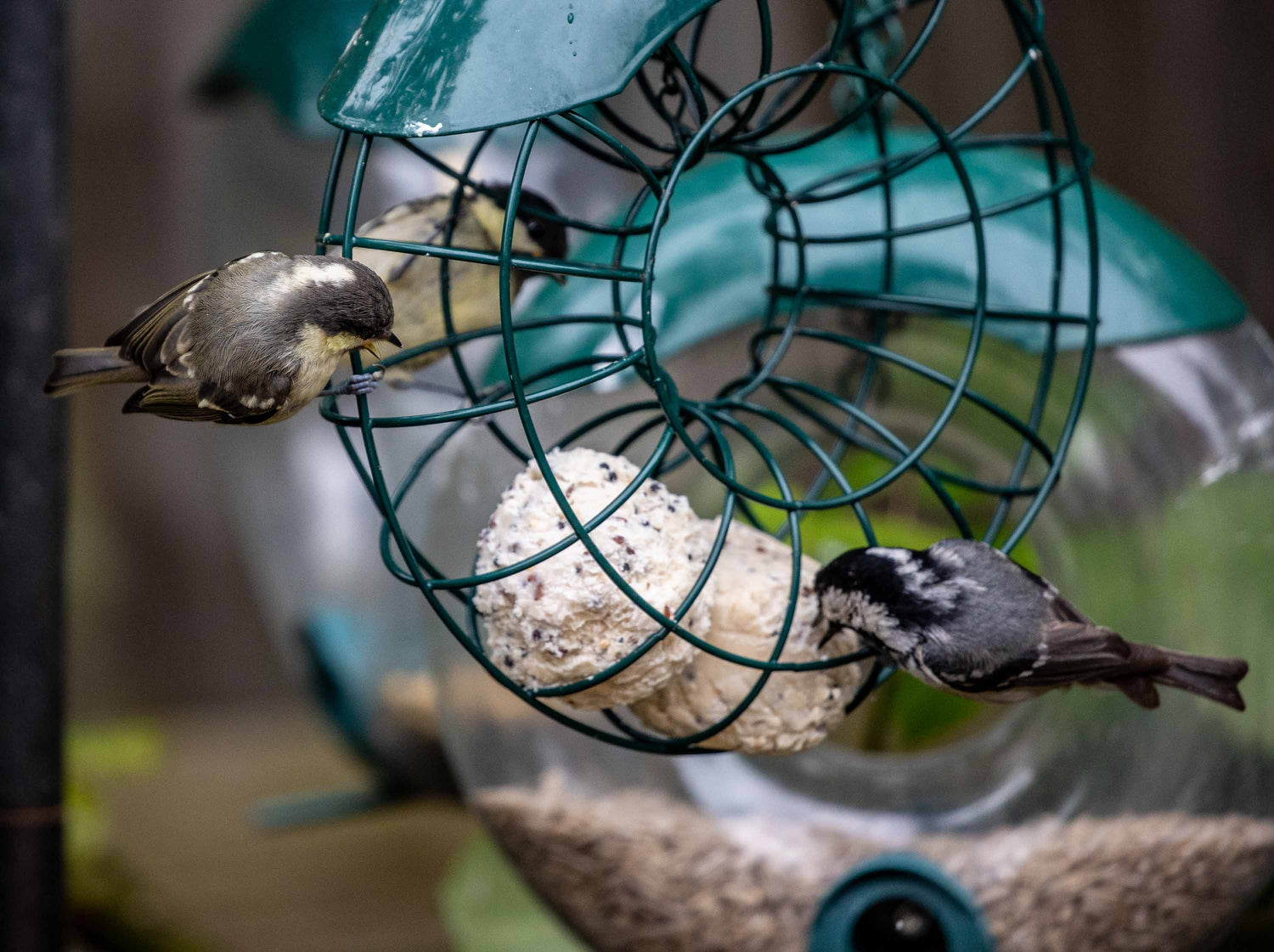
Winter can be a challenging season for birds and other backyard wildlife. Food becomes scarce, fresh water freezes, shelter is harder to find, and temperatures drop quickly. By making a few thoughtful adjustments to your outdoor space, you can transform your backyard into a welcoming refuge for the creatures that depend on it most during the colder months.
Creating a wildlife-friendly environment isn’t just beneficial for the birds — it gives you a chance to enjoy more activity at your Trail Optics Smart Feeder and connect with nature in meaningful ways all winter long.
Provide a Reliable Source of Food
Food scarcity is one of the biggest challenges birds face in winter, so keeping your feeders stocked is essential.
Best winter foods include:
- Black oil sunflower seeds for cardinals, chickadees, titmice, and sparrows
- Suet cakes for woodpeckers, nuthatches, and wrens
- Nyjer seed for winter finches
- Peanuts for jays and titmice
- High-fat winter blends designed for cold weather
High-calorie foods help birds maintain body heat and stay active on freezing days.
Your Trail Optics Smart Feeder makes feeding simple and enjoyable by capturing every visitor in HD and helping you learn their species through free AI identification.

Offer Fresh, Unfrozen Water
A clean water source can be even more important than food during freezing temperatures. Birds need water for drinking and preening, but natural sources often freeze over.
Winter water tips:
- Use a heated bird bath to prevent ice formation
- Replace frozen water regularly if you don’t have a heater
- Place the bath near natural cover for safety
- Keep water shallow to prevent accidents
Fresh water can dramatically increase the number of birds you see each day.
Create Safe Shelter from Wind and Weather
Birds need places to escape wind, snow, and predators. You can support them by adding or protecting natural shelters.
Effective shelter options:
- Evergreen shrubs or trees
- Brush piles or stacked branches
- Dense hedges
- Nest boxes or roosting boxes
- Untrimmed native plants with seed heads
Natural shelter not only keeps birds safe but also keeps them coming back to your feeder more frequently.
Add Native Plants for Food and Protection
Native plants offer winter berries, seeds, and cover — all essential for supporting wildlife.
Top winter-friendly options:
- Holly
- Winterberry
- Serviceberry
- Coneflowers (seed heads)
- Grasses and switchgrass
- Juniper
Leave spent flowers and seed heads in place during winter so wildlife can forage naturally.
Minimize Yard Disturbances
Winter is a vulnerable time for wildlife. Small actions can make a big difference.
- Limit pruning until spring
- Avoid using chemical treatments
- Keep pets away from dense bird activity areas
- Reduce loud noises or frequent disturbances around feeders
These changes support both safety and natural behavior.
Use Smart Feeders to Monitor Activity
Trail Optics Smart Feeders make winter birdwatching easier than ever. With a built-in HD camera and free AI bird identification, you can monitor activity, learn more about winter species, and capture memorable moments — all without stepping into the cold.
Winter-friendly features include:
- Solar-powered design for year-round efficiency
- Crisp HD footage even in low-light winter conditions
- Real-time notifications when visitors arrive
- Shareable photos and videos for friends and family
This turns your backyard into a living, changing winter landscape you can enjoy from the comfort of home.
Transform Your Yard into a Winter Haven
Making your backyard wildlife-friendly doesn’t require major changes — just thoughtful choices that benefit birds during their toughest season. With proper food, fresh water, safe shelter, and a smart feeder that lets you enjoy every moment, you’re creating a sanctuary that supports wildlife and enriches your daily life.
Trail Optics helps make the experience simpler, more beautiful, and deeply connected.

Leave a comment
This site is protected by hCaptcha and the hCaptcha Privacy Policy and Terms of Service apply.