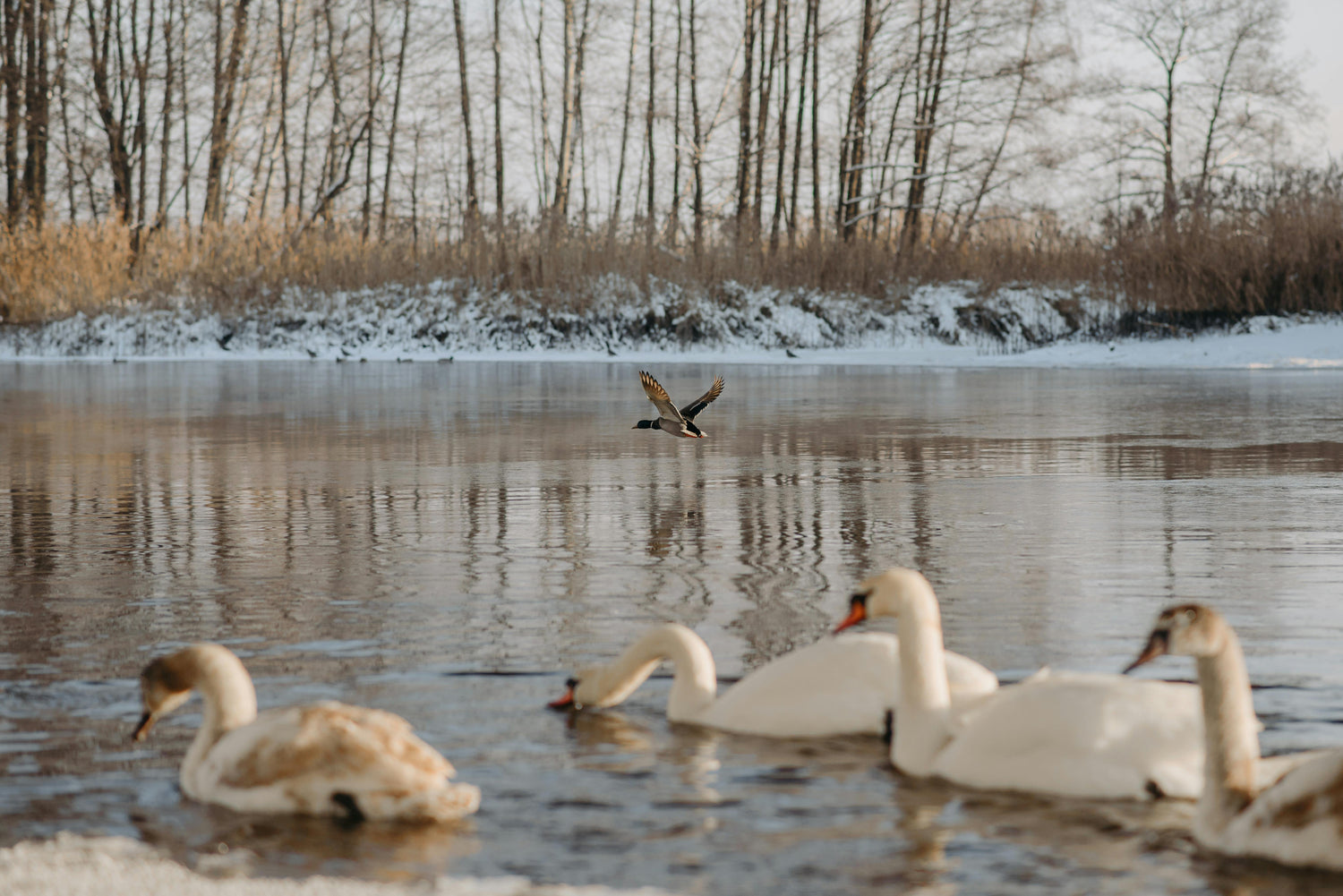
As autumn fades and the first frost creeps across your backyard, the birds that remain rely more than ever on a reliable source of food. While some species migrate south, others — like cardinals, chickadees, and woodpeckers — stick around all winter long. Preparing your bird feeders now ensures they’ll have what they need to survive the colder months ahead — and you’ll enjoy a season full of color and life right outside your window.
Here’s how to get your feeders (and your feathered guests) ready for the first frost.
1. Clean and Inspect Your Feeders Before the Freeze
Start with a clean slate. Old seed, moisture, and bacteria can quickly lead to mold — especially in fluctuating fall temperatures.
- Empty out all leftover seed or debris.
- Wash your feeder with a mild, non-toxic soap and warm water.
- Check for cracks or moisture leaks that could freeze and expand.
If you’re using a Trail Optics Smart Feeder, this step is simple — the weatherproof construction and removable seed tray make maintenance quick and easy.

2. Switch to High-Energy Foods
As temperatures drop, birds need high-fat, high-protein foods to keep their energy levels up. Stock your feeder with:
- Black oil sunflower seeds: Loved by a wide range of species.
- Suet cakes: Excellent for woodpeckers, chickadees, and nuthatches.
- Peanuts and mealworms: Great for high-protein support.
Rotating food types throughout the season will attract a variety of birds while keeping them nourished and active.
3. Choose a Weather-Proof Feeding Spot
Placement matters — especially when frost sets in.
- Position feeders in a sheltered area, out of strong wind and direct precipitation.
- Keep them near shrubs or evergreens for quick cover and safety.
- Ensure feeders remain visible from indoors, so you can enjoy the activity even on cold mornings.
The Trail Optics Smart Feeder’s solar panels, built right into the roof, continue to charge even on cloudy days — meaning less maintenance and no worrying about power during shorter daylight hours.

4. Keep Water Accessible
Frozen water sources make hydration difficult for birds. Adding a heated birdbath or regularly changing water in shallow dishes helps keep your backyard an inviting, life-sustaining stopover.
Pairing a heated birdbath near your Trail Optics feeder creates a safe, dependable feeding station that keeps birds returning all winter.
5. Watch for Early Winter Visitors
Late autumn often brings migrating finches, sparrows, and juncos moving through your area. With a smart feeder, you can catch every visit — even when you’re not outside watching.
Trail Optics’ camera and app system send real-time notifications when birds arrive, capturing photos and videos you can review later or share with friends. It’s the perfect way to document the transition from fall to winter while supporting local wildlife.
Preparing your bird feeders before the first frost not only helps local and migratory birds survive the season — it also sets you up for months of enjoyment. Clean, well-placed, and well-stocked feeders will keep your yard active, even as temperatures drop.
With Trail Optics’ durable, solar-powered smart feeders, you’ll never miss a moment — from the first frosty morning to the final snowflake of the season.


Leave a comment
This site is protected by hCaptcha and the hCaptcha Privacy Policy and Terms of Service apply.