
Quick Facts: March Migration at a Glance
- Peak Activity: March 12th – March 28th.
- Early Arrivals: American Robins, Red-Winged Blackbirds, Eastern Bluebirds.
- Tech Tip: Set alerts to "High" to catch "Pass-Through" species that only stay for 24 hours.
- Key Resource: Fresh, moving water (more attractive than food during active flight).
As the frost begins to retreat and the first hints of green peek through the soil, North America is preparing for one of nature’s greatest spectacles: the Spring Migration. For the Trail Optics community, March isn’t just another month—it’s the beginning of "Peak Season."

The 2026 season is looking particularly vibrant due to a mild winter in the southern corridors. Keep your cameras ready for these early travelers like the American Robin. Often considered the herald of spring, while some stay year-round, March marks a massive influx of northern-bound travelers looking for worms in your thawing lawn. You should also listen for the distinctive "konk-la-ree!" call of the Red-Winged Blackbird; the males arrive first to claim territory, adding a splash of crimson to the landscape. Finally, keep an eye on the sky near water sources for Tree Swallows. These acrobats are some of the first insect-eaters to return, signaling that the ecosystem is waking up.
Climate shifts over the last few years have nudged migration patterns slightly earlier. According to current 2026 avian tracking data, we are seeing "compressed migration"—where birds move in larger, more dense waves rather than a slow trickle. This means your Trail Optics notifications might be busier than usual, but the variety of species appearing at once will be higher.
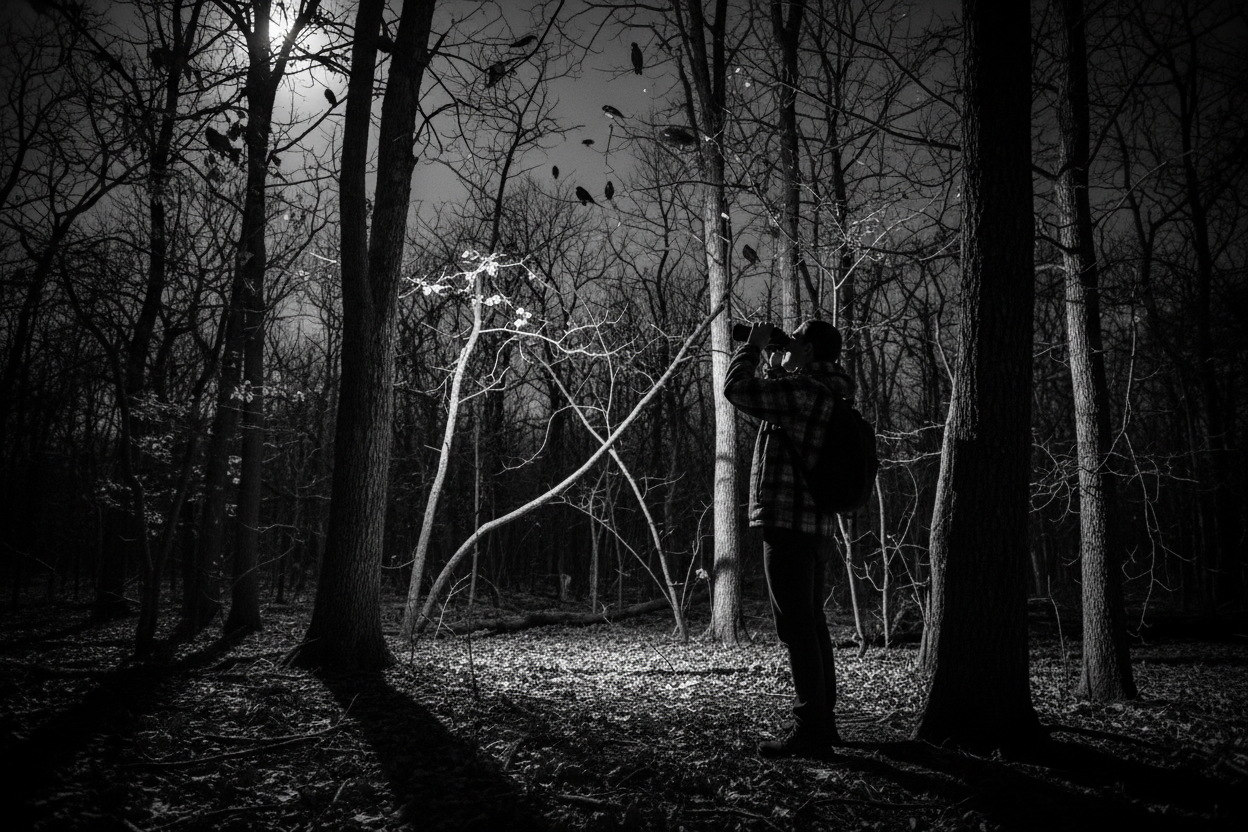
To ensure your yard is the most popular stop on the map, focus on three essentials. First, hydration is king. A clean, moving water source is more attractive than food during a long flight. A solar bubbler will draw in species that don't even visit feeders. Second, provide high-energy fuel. Migrating birds have burned through their fat reserves, so offer suet and sunflower hearts to give them the calories they need to continue north. Third, ensure your Night Vision is ready. Many species migrate at night, so ensure your Trail Optics Night Mode is calibrated to catch the "stealth" visitors who rest in your trees before dawn.
The "Spring Migration Jackpot" is all about seeing a species you’ve never caught on camera before. Is this the year you catch a Rose-breasted Grosbeak on your first try?


Leave a comment
This site is protected by hCaptcha and the hCaptcha Privacy Policy and Terms of Service apply.