Quick Facts: The Educational Power of Nature-Tech
- Real-World Biology: 2026 STEM trends prioritize hands-on, project-based learning over traditional worksheets.
- AI as a Teacher: Smart identification reduces the "barrier to entry" for kids, providing instant answers that spark deeper curiosity.
- Data Literacy: Recording sightings allows children to practice graphing, identifying patterns, and analyzing seasonal shifts.
- Future-Ready Skills: Interacting with AI tools prepares students for a technology-driven world while keeping them grounded in the natural environment.
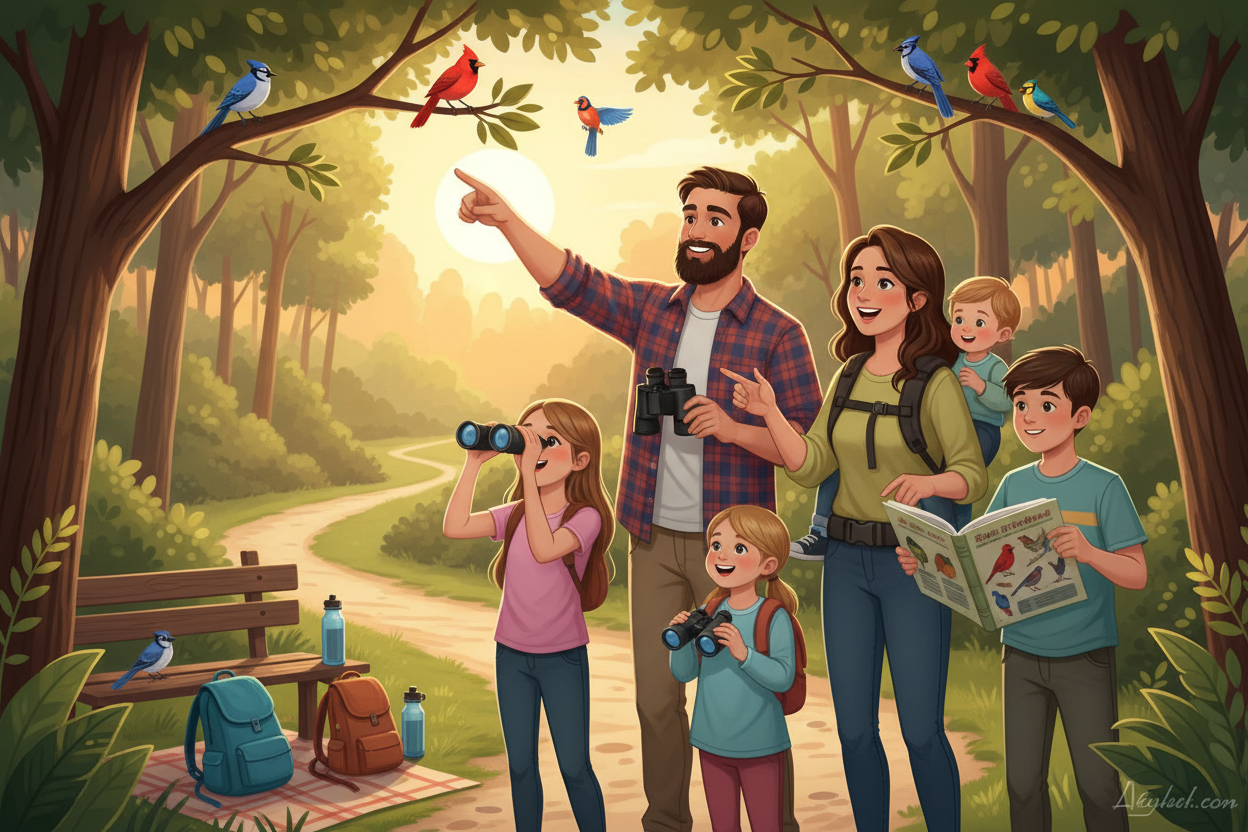
In 2026, the classroom is no longer confined to four walls. As "experiential learning" becomes a cornerstone of modern STEM (Science, Technology, Engineering, and Math) education, parents are looking for ways to make science feel alive. The most powerful laboratory for this isn't in a school building—it’s right outside your window. By using a Trail Optics 1080p Ultra HD smart feeder, you can transform your backyard into an interactive biology station that keeps kids engaged, curious, and connected to the earth.

From Passive Watching to Active Science
Traditional birdwatching often requires a level of patience that many young children haven't developed yet. Waiting for a bird to land can feel like a chore. However, the Trail Optics app changes the dynamic by sending a push notification the moment a "guest" arrives. This "notification-driven" nature experience mirrors the digital habits of the modern generation but redirects that attention toward something tangible and wild. It turns birding into a game of "real-life Pokémon," where the goal is to "collect" sightings of as many different species as possible.
Using AI as a Digital Field Guide
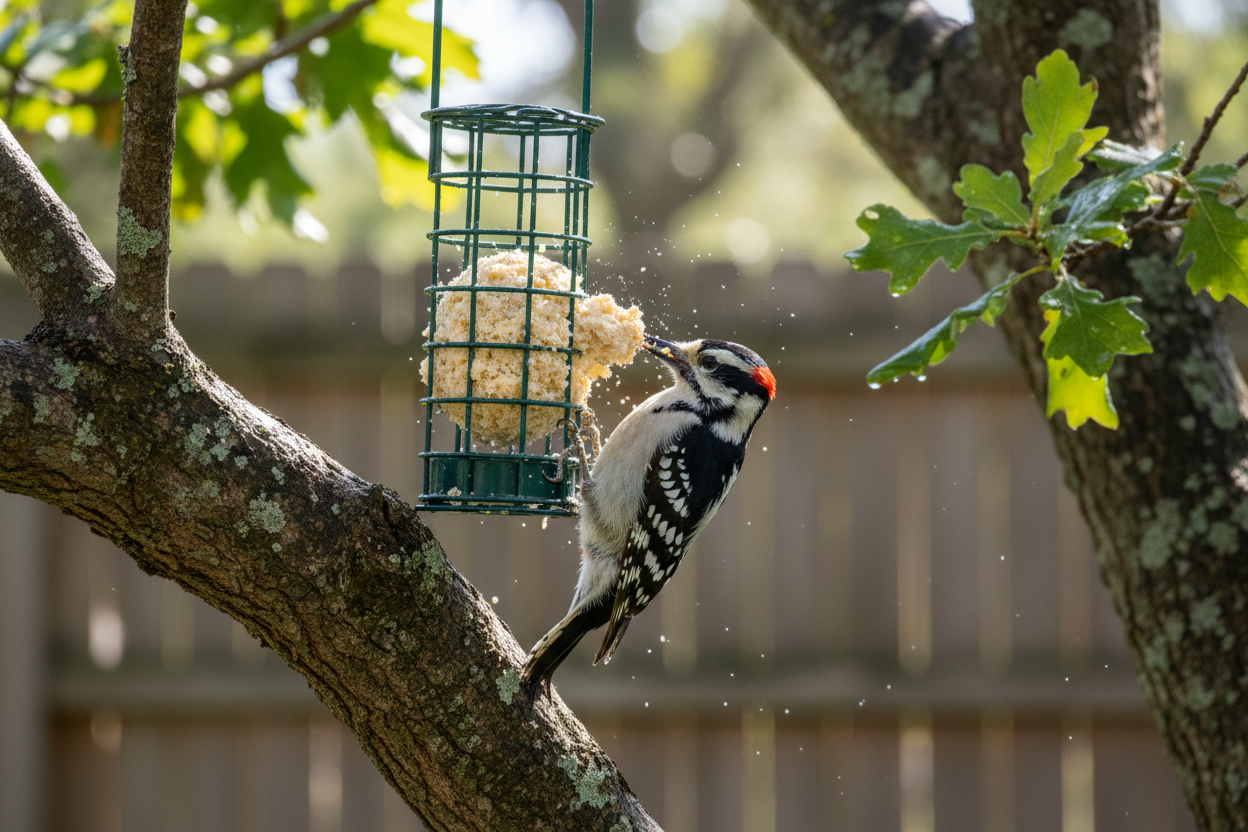
One of the biggest hurdles in nature education is the "Identification Gap." When a child asks, "What bird is that?" and the adult doesn't know, the learning moment can stall. With our free AI identification, that mystery is solved instantly. In 2026, AI isn't just a gimmick; it’s a literacy tool. By seeing the name of the bird appear alongside the high-definition video, children begin to recognize the subtle field marks—the crest of a Titmouse, the bars on a Woodpecker’s wing, or the unique bib of the 2026 Bird of the Year, the Horned Lark.
Lessons in Biodiversity and Behavior
Smart birding allows for "long-form" science. Encourage your children to start a "Backyard Census."
- Seasonal Tracking: Why do the birds change from January to March? This leads to discussions about migration and climate.
- Behavioral Observation: Watch the 1080p footage to see which birds are "bullies" at the feeder and which ones are social. Why does a Chickadee take one seed and fly away while a Finch stays to eat?
- Problem Solving: Designing a squirrel-proof mounting strategy is a perfect "Engineering" challenge for older kids.
Fostering Environmental Stewardship
The ultimate goal of STEM is to solve real-world problems. When a child names the "regular" birds at their Trail Optics feeder, those birds stop being "objects" and start being "neighbors." This emotional connection is the foundation of conservation. By participating in citizen science events like the Great Backyard Bird Count, children learn that their observations contribute to a global effort to protect the planet. You aren't just raising a student; you are raising a steward.
Start Your Backyard Discovery Ready to bring the science lab home? Discover how Trail Optics makes learning a daily ritual the whole family can enjoy. Capture the wonder of the natural world in 1080p and build a lifetime of curiosity.

Leave a comment
This site is protected by hCaptcha and the hCaptcha Privacy Policy and Terms of Service apply.