Quick Facts: The 2026 Migration Window
- Southern Tier (Gulf Coast, TX, FL): Migration begins in late January with Purple Martins and early hummingbirds.
- Central Corridor (Mid-Latitudes): Expect the first waves of Red-winged Blackbirds, Killdeer, and Eastern Phoebes in late February to early March.
- Northern States & Canada: Waterfowl and hardy sparrows appear by late March; peak songbird diversity hits in early-to-mid May.
- Key Fuel: Arriving migrants operate on a caloric deficit; provide black oil sunflower, suet, and mealworms to help them recover from long flights.
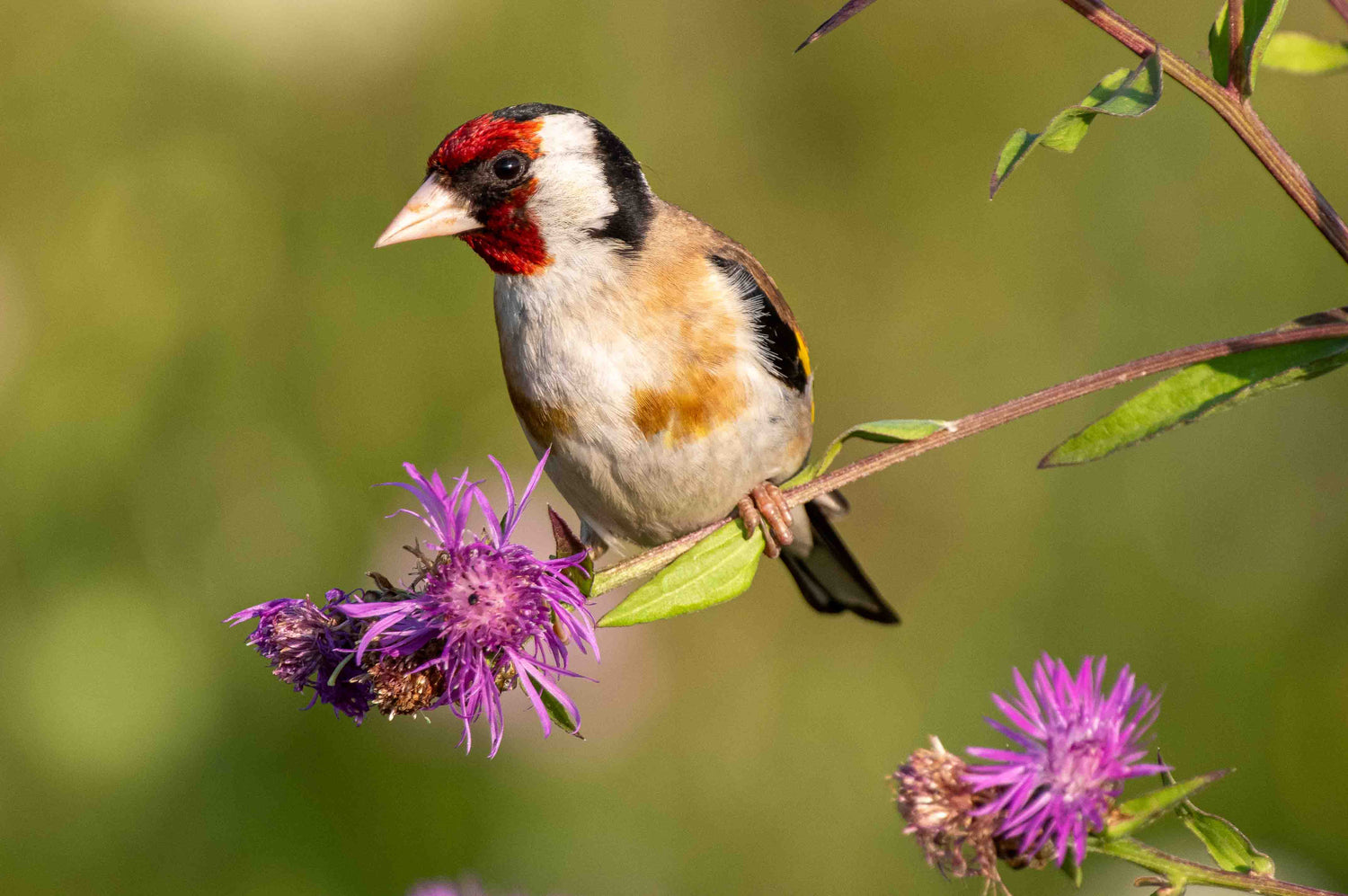
While most people associate spring migration with May blossoms, for the birds, the journey begins much sooner. By late January 2026, the first "scouts" are already crossing the Gulf of Mexico or pushing up from the southern deserts. For a backyard birder, being ready for these first arrivals is the difference between seeing a blur in the trees and capturing a 1080p masterpiece on your Trail Optics smart feeder.
Understanding the "migration pulse" of your region is the first step in preparing your backyard "welcome mat."

The Regional Timeline: Who’s Moving When?
Migration is a rolling wave that follows the thaw. In 2026, we are seeing predictable patterns across the major flyways:
- The Southern Tier: If you are in Florida, Texas, or the Gulf Coast, your migration is already here. Purple Martins—the earliest of the songbirds—reach these areas in late January. Hummingbirds typically follow by mid-February as they search for early blooms.
- The Central Corridor: In states like Missouri, Virginia, and Kentucky, late February marks the return of the "early pioneers," like Red-winged Blackbirds and Common Grackles. These birds are often the first to visit feeders as they look for high-energy fuel after cold nights.
- The Northern Reach: For our friends in the Northern US and Canada, the "big flood" of warblers and orioles is still a few months away. However, late March brings the first hardy Fox Sparrows and Song Sparrows to open ground.
Preparing the "Welcome Mat"
Migrating birds are operating on a severe caloric deficit. They have often flown hundreds of miles overnight and arrive in your backyard looking for immediate, high-density fuel. To attract the widest variety of early guests, we recommend a three-part menu:
- Hulled Sunflower Seeds: The "gold standard." Because the shells are already removed, birds save energy and time—plus, it keeps the area under your Trail Optics feeder clean.
- Mealworms (Dried or Live): Essential for early arrivals like Bluebirds and Robins who may find that the ground is still too frozen for natural insects.
- High-Fat Suet: As early spring cold fronts sweep through, suet provides the critical fat reserves needed for birds to survive sudden temperature drops.
Using Technology to Catch the "First of the Year"
The most exciting part of spring is documenting your "First of the Year" (FOTY) sightings. Because many early migrants move in small numbers, they can easily be missed.
By using the Trail Optics 1080p Ultra HD camera, you have a 24/7 sentry. The free AI identification will notify you the moment a new species enters the frame. Did a Rose-breasted Grosbeak just land while you were at work? Your app will capture the 1080p video, identify the bird, and save it to your history—no subscription required. This allows you to build a digital timeline of the 2026 migration season from the very first wing-flutter to the peak of the May rush.
The Cleanup Phase
Before the heavy traffic of migration begins, take a moment to refresh your station. A quick 5-minute wipe-down of the camera lens and a refill of fresh, dry seed ensures that your first 2026 guests have a safe, healthy place to refuel. The birds are on their way—is your backyard ready for the show?
Document the 2026 Migration Don't miss a single visitor this spring. Capture the arrival of your first guests in stunning 1080p and share the wonder of migration with the Trail Optics community.


Leave a comment
This site is protected by hCaptcha and the hCaptcha Privacy Policy and Terms of Service apply.