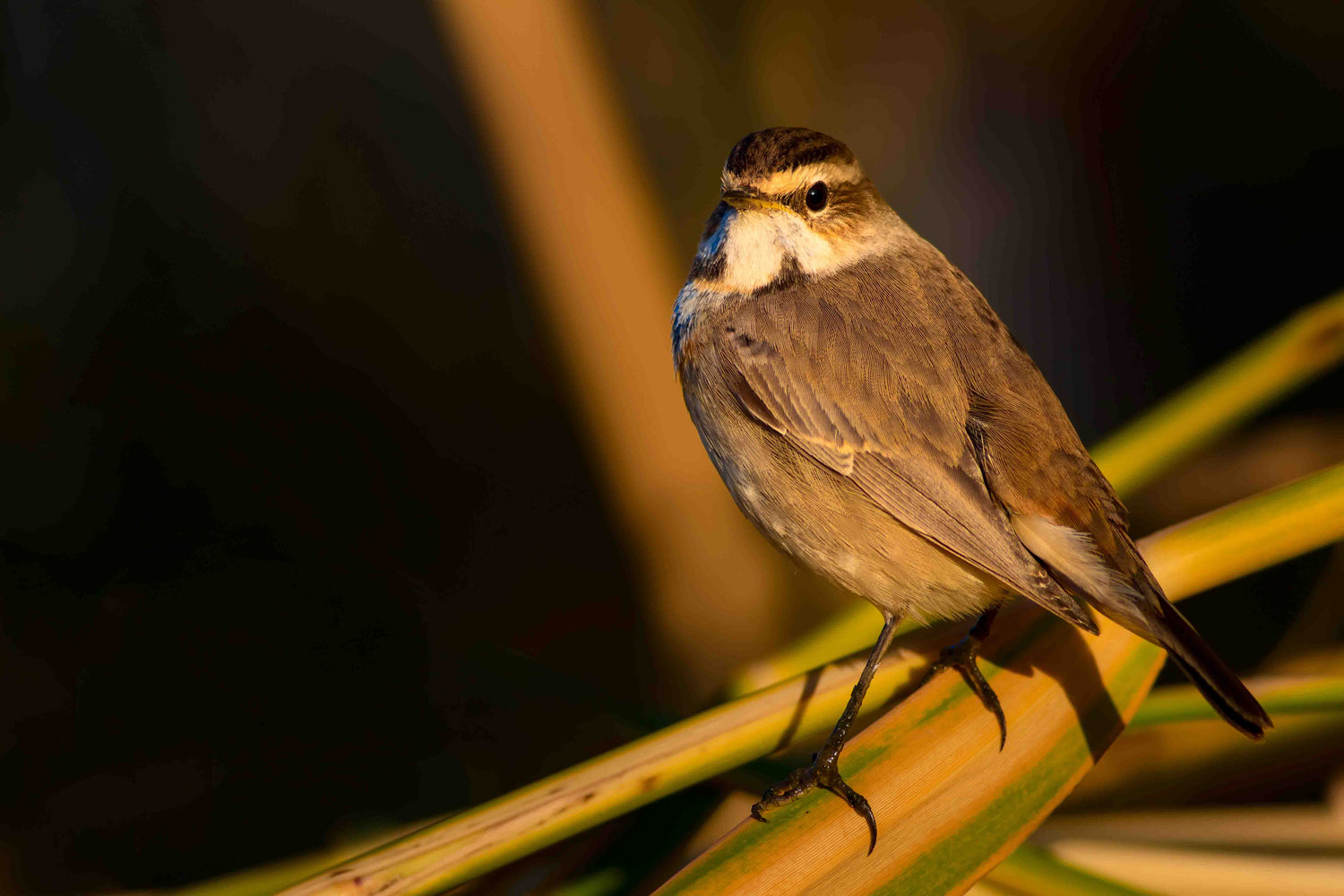
Quick Facts: The 2026 Superflight
- Record Year: Experts are calling 2026 the biggest finch irruption year since the "Superflight" of 2020-2021.
- The Cause: A widespread failure of seed crops in the Canadian boreal forest has sent millions of birds southward in search of food.
- Target Species: Watch for Evening Grosbeaks (gold and black), Common Redpolls (red caps), and Pine Siskins (heavy stripes).
- The "Magnet" Menu: Black oil sunflower seeds and Nyjer (thistle) are the two most effective ways to attract these northern visitors.
If your Trail Optics 1080p Ultra HD camera has been pinging you more than usual lately, there is a very good reason. We are currently witnessing a rare biological event known as a "Superflight." Across North America, birders are reporting massive numbers of northern finches appearing in backyards far south of their usual winter range.
Unlike a typical migration, which happens like clockwork, an irruption is an unpredictable explosion of movement. This winter, millions of birds that usually stay in the deep forests of Canada have arrived at our doorsteps, and your smart feeder is the perfect tool to document this once-in-five-year event.

Who to Look For: The 2026 Stars
During this winter’s flight, three species are stealing the show. Because they often travel in large, chattering flocks, your "Guest List" notifications might suddenly skyrocket.
- Evening Grosbeaks: These are the "heavyweights" of the finch world. The males are a stunning golden-yellow with bold black-and-white wings. They love big platforms and tray feeders stocked with sunflower seeds.
- Common Redpolls: Small and energetic, look for the tiny red "cap" on their forehead and a small black chin. They are often very tame, allowing your 1080p camera to get incredible "close-up" footage.
- Pine Siskins: These look like heavily streaked goldfinches but with sharp, thin beaks. If you see a small bird with yellow "racing stripes" on its wings, it’s likely a Siskin.
Why They Are Here (And Why They Might Leave)
The boreal forest is a massive "bird nursery," but its food supply is hit-or-miss. In 2026, the spruce, fir, and birch trees failed to produce their usual bumper crop of seeds. At the same time, we had a very successful breeding season last summer.
This created a "perfect storm": too many birds and not enough food. These birds are nomads; they will stay in your yard as long as your feeder is full, but the moment a local food source—like weedy fields or ornamental trees—is exhausted, the entire flock may vanish overnight to the next town.
Catching the Flight in High Definition
Because irruptive finches move in such large, fast-paced groups, it can be hard to identify individual birds. This is where the free AI identification in your Trail Optics app becomes invaluable. While you're at work or running errands, your feeder is quietly cataloging every visitor.
In a "Superflight" year, you might even spot rarities like the Hoary Redpoll (the "frosty" cousin of the Common Redpoll). By reviewing your 1080p clips, you can pause and zoom in on field marks that would be impossible to see in real-time.
Pro Tip: The "Nyjer" Magnet
If you want to maximize your finch sightings this month, consider adding a secondary Nyjer (thistle) feeder near your Trail Optics station. Siskins and Redpolls find these tiny seeds irresistible. By keeping your main 1080p feeder stocked with sunflower hearts and a side station with Nyjer, you’ll create a "finch buffet" that ensures these rare visitors keep coming back throughout the winter.
Don’t Miss the 2026 Irruption This historic flight won't last forever. Ensure your station is ready to capture these rare northern visitors before they head back home. Share your "Guest List" finds with us and be a part of the 2026 Superflight story.


Leave a comment
This site is protected by hCaptcha and the hCaptcha Privacy Policy and Terms of Service apply.