
Quick Facts: The 5-Minute Maintenance Check
- Frequency: A quick wipe-down once a week; a deep sanitize every two weeks (more often during wet winter weather).
- Tech Safety: Always remove the 1080p camera module before using water or cleaning solutions on the feeder housing.
- Solar Efficiency: Even a thin layer of dust or bird droppings on your solar panels can reduce charging efficiency by up to 30%.
- Disease Prevention: Regular cleaning prevents the spread of common winter ailments like Salmonella and House Finch Eye Disease.
Feeding the birds is a rewarding hobby, but in the peak of winter, it comes with a small side of responsibility. When birds gather in high numbers at your station, the risk of spreading bacteria increases. The good news? You don't need an afternoon of scrubbing to keep your birds safe. With the right strategy, you can maintain a pristine feeding station in just five minutes.
Here is the ultimate Trail Optics maintenance routine to keep your flock healthy and your high-definition views crystal clear.
Minute 1: The Tech Reset
Before you touch any water, start with the heart of your feeder.
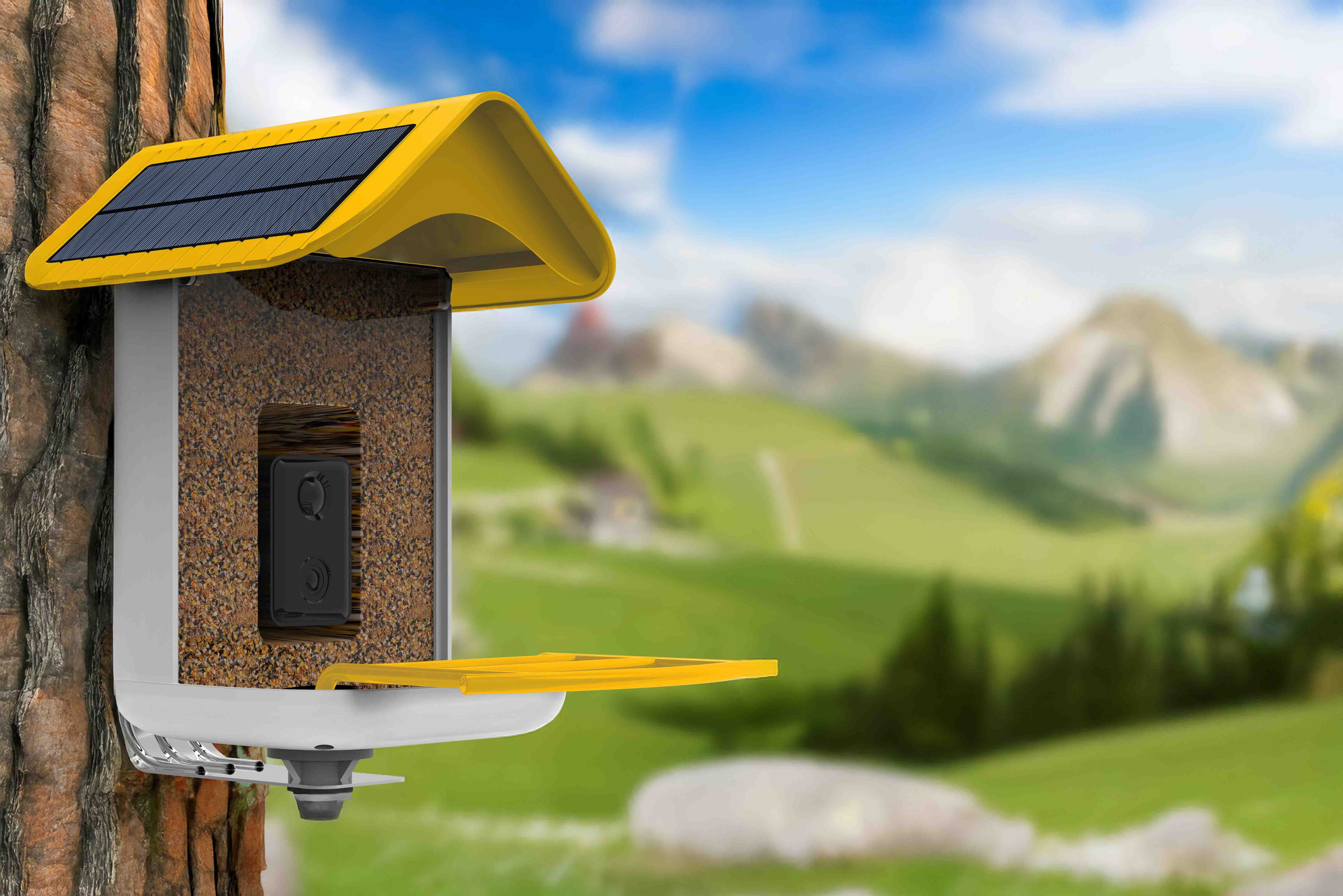
- Remove the Camera: Slide the camera module out of the housing. This protects the internal electronics from moisture and cleaning agents.
- Lens Care: Use a dry microfiber cloth (the kind you use for glasses) to wipe the lens. In winter, salt spray and frost can create a "haze" on your videos. A quick 10-second wipe restores that crisp 1080p Ultra HD clarity.
- Solar Refresh: Wipe the integrated solar panels on the roof with a damp cloth. Ensuring the panels are clear of snow, ice, or dust is the best way to keep your battery topped off during shorter winter days.
Minutes 2-3: The Quick Sanitize
Once the camera is safe, it’s time to focus on the housing.
- The "Dump and Brush": Empty any remaining seed. Use a stiff brush to quickly remove any debris or "clumped" seeds that may have gotten damp.
- The Vinegar or Bleach Wipe: For a quick weekly clean, a spray bottle with a 50/50 water and white vinegar solution is perfect. For your bi-weekly deep clean, use a diluted bleach solution (1 part bleach to 9 parts water).
- Focus on the Perch: Most bacteria are spread where the birds' feet and beaks touch the most. Give the perch and the feeding ports an extra spray and wipe.
Minute 4: The Ground Sweep
Birds are messy eaters, and many species—like the 2026 Bird of the Year, the Horned Lark—prefer to eat the "spillage" on the ground.
- Clear the Debris: Use a small rake or shovel to clear away old seed hulls and droppings from directly beneath the feeder.
- The Snow Scrap: If it's snowy, simply scrape away the top layer of "dirty" snow to reveal a fresh, clean surface for your ground-foraging guests. This simple act prevents the buildup of moldy seed under the snow.
Minute 5: Refill and Re-Sync
- The Dry Rule: This is the most important step. Ensure the feeder is completely dry before adding new seed. Adding dry seed to a wet feeder is the fastest way to grow harmful mold.
- The Final Refill: Fill your feeder with fresh, high-quality seed. Slide the camera module back in, check the live stream on your app to ensure the angle is perfect, and you’re done.

By spending just five minutes a week on this routine, you aren't just protecting your equipment—you’re protecting the birds that make your backyard so vibrant. A clean feeder means a healthy flock, and a healthy flock means more "Guest List" notifications for you to enjoy.
Keep Your Sanctuary Safe Ready to refresh your station? A few minutes of care today ensures a lifetime of high-definition discovery. Keep your lens clear and your birds coming back for more.

Leave a comment
This site is protected by hCaptcha and the hCaptcha Privacy Policy and Terms of Service apply.