Quick Facts: The 2026 Hygiene Challenge
- The High-Traffic Risk: Large "Superflight" flocks can lead to the rapid spread of bacteria like Salmonella if feeders aren't maintained.
- Susceptible Species: Pine Siskins and Common Redpolls are particularly social and vulnerable to outbreaks.
- Cleaning Frequency: During peak irruption (Jan–Feb), feeders should be deep-cleaned every week.
- Camera Safety: Always remove the 1080p Ultra HD camera module before using liquid cleaners or water on the feeder housing.
The 2026 "Superflight" has been a joy for backyard birders, bringing thousands of northern finches to backyards across the United States and Canada. However, with record-breaking numbers of birds comes a record-breaking responsibility. When birds congregate in large, dense flocks at a single feeding station, the risk of avian disease—specifically Salmonellosis and House Finch Eye Disease—increases significantly.
As a Trail Optics community, we have the best tools to watch these birds, but we also have a duty to keep them safe. Proper hygiene is the most effective way to ensure the 2026 irruption remains a celebration rather than a conservation crisis.
Identifying the Warning Signs
Before you even touch your feeder, use your Trail Optics 1080p Ultra HD camera to conduct a "health check" of your visitors. Because the camera provides a close-up view, you can spot early symptoms of illness that are invisible from a distance:
- Lethargy: Birds that sit at the feeder for long periods without eating or moving.
- Fluffed Feathers: A bird that looks "puffed up" even when it isn't particularly cold.
- Squinty Eyes: Swollen, crusty, or closed eyes (a primary sign of Mycoplasmal conjunctivitis).
- Lack of Fear: Birds that don't fly away when you approach the window or the feeder.
If you see a sick bird: The best course of action is to take your feeder down for 10–14 days. This allows the flock to disperse, preventing the feeder from becoming a "superspreader" site.
The Trail Optics Deep-Clean Protocol
Cleaning a smart feeder requires a bit more care than a standard wooden box. Follow this 2026 safety protocol:
1. Protect the Tech Before any cleaning begins, remove the 1080p camera module. While the housing is weatherproof, the camera should never be submerged in water or exposed to cleaning chemicals like bleach. This is also a perfect time to use a dry microfiber cloth to wipe the lens and ensure your future captures remain crystal clear.
2. The Scrub-and-Soak Method Bacteria often form a "biofilm" that simple rinsing won't remove.
- Scrub: Use hot, soapy water and a stiff brush to break up any debris, especially around the perches and seed ports.
- Sanitize: After scrubbing, soak the plastic housing in a solution of one part bleach to nine parts water for 10–15 minutes. This is the gold standard for killing Salmonella.
3. Don't Forget the Roof Gently wipe down the dual-integrated solar panels on the roof with a damp cloth. Avoid using the bleach solution on the panels themselves; clear water is sufficient to remove bird droppings and dust that can reduce charging efficiency.
4. The "Bone Dry" Rule Never refill a feeder while it is still damp. Moisture trapped inside the seed reservoir can lead to mold and fungal growth, which is just as dangerous as bacteria. Allow the feeder to air-dry completely, preferably in direct sunlight, before reassembling.

Maintenance Beyond the Perch
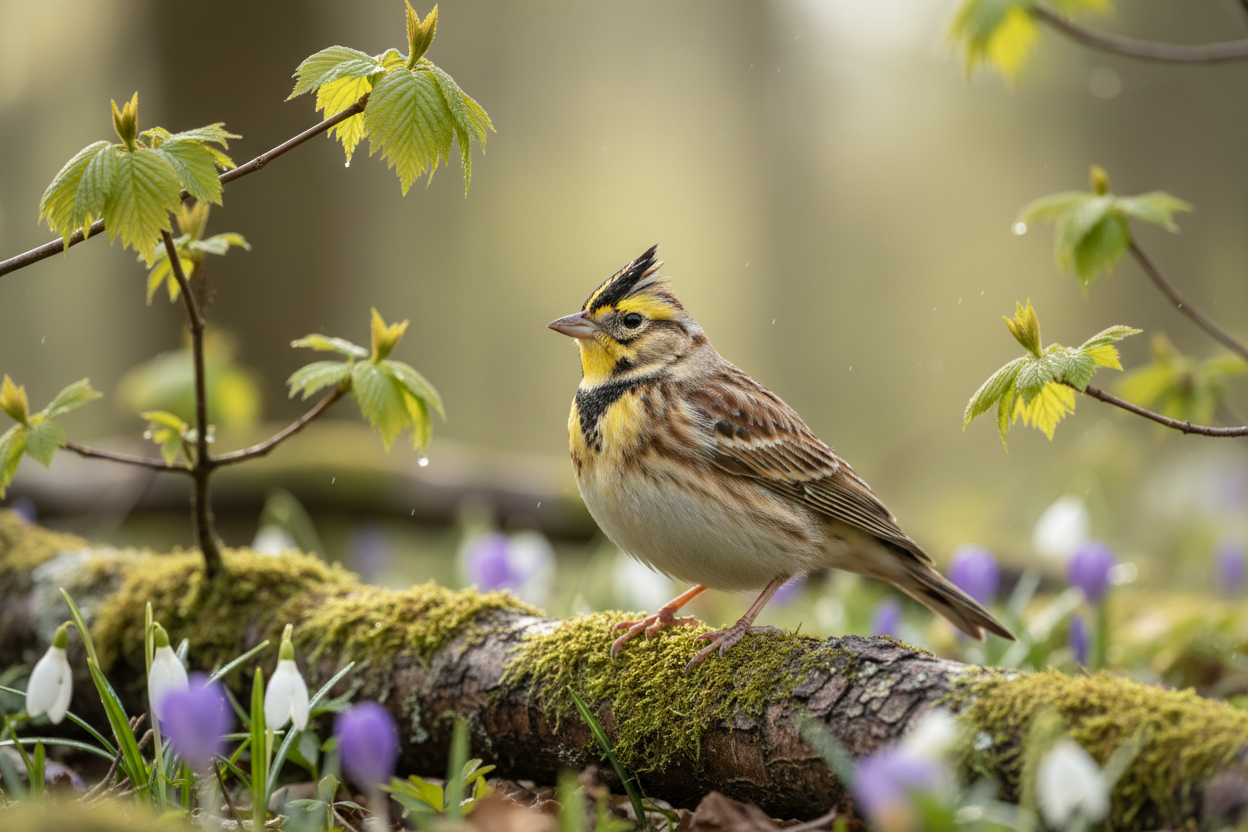
Hygiene doesn't stop at the feeder. The ground beneath your Trail Optics station is just as important. In 2026, many of our "Superflight" guests, like the Horned Lark and Pine Siskin, forage for dropped seeds.
Regularly rake up seed hulls and droppings from the ground under your feeder. If the snow is deep, consider shoveling the area and putting down a fresh layer of clean straw or simply clearing the space to prevent the buildup of contaminated waste.
Why "No-Subscription" Birding Makes Hygiene Easier
In many cases, birders don't realize their feeders are dirty until a major outbreak occurs. Because Trail Optics offers free AI and instant notifications, you are alerted to every visitor. This high level of engagement means you are more likely to notice changes in bird behavior or a buildup of grime early on.
By integrating a weekly cleaning ritual into your "Slow Nature" routine, you are ensuring that your backyard remains a sanctuary for the beautiful, rare travelers of the 2026 irruption.
Keep the Backyard Healthy A clean feeder is a busy feeder. Protect the birds you love and ensure your 1080p views remain a source of joy all winter long. Proper maintenance today ensures a vibrant spring migration tomorrow.
Explore Trail Optics 1080p Ultra HD Smart Feeders. (Available on the Trail Optics Website or Amazon)

Leave a comment
This site is protected by hCaptcha and the hCaptcha Privacy Policy and Terms of Service apply.