Feeding Birds in Winter: How to Prepare Your Bird Feeder for the Cold
Jeremy
July 2, 2026
88 views
Winter can be a challenging time for wild birds. Natural food sources become scarce, freezing temperatures make foraging more difficult, and energy demands increase as birds work harder to stay warm. By preparing your bird feeder for the cold season, you can make a real difference in helping birds survive — while also enjoying the beauty of their visits all winter long.
At Trail Optics, we’re here to help you choose the right foods, protect your feeders from the elements, and keep your feathered friends safe, healthy, and coming back day after day.
The Best Foods for Birds in Winter
Not all bird foods provide the energy birds need to endure freezing conditions. In winter, high-fat and high-calorie foods are the best choice.
- Black Oil Sunflower Seeds – Easy to crack open, rich in fat, and loved by a wide variety of species including cardinals, chickadees, and nuthatches.
- Suet – A dense, high-energy food made from animal fat. Perfect for woodpeckers, nuthatches, wrens, and jays.
- Peanuts – Packed with protein and fat. Offer them shelled or unsalted to keep them safe for birds.
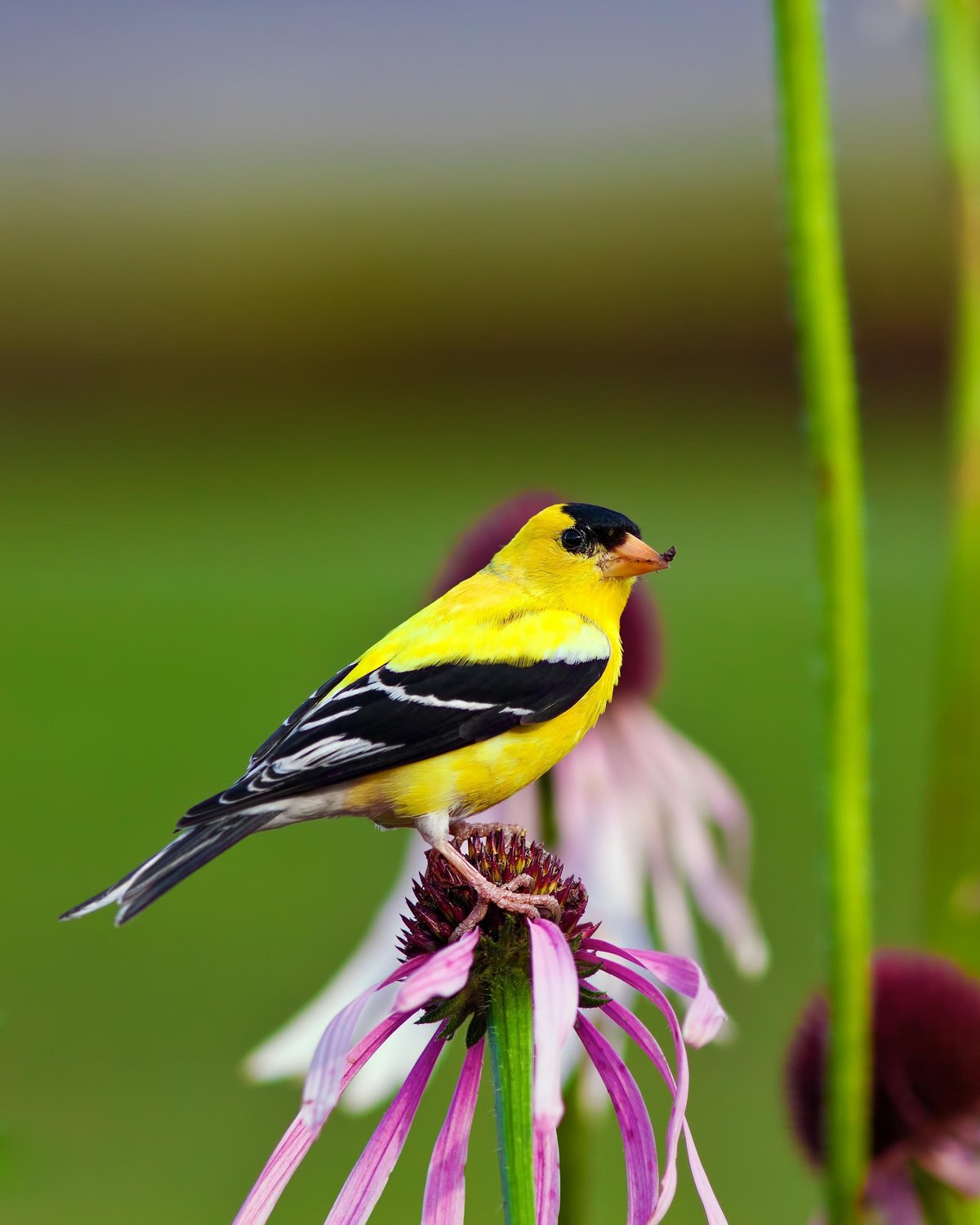
- Nyjer Seed – Tiny, oil-rich seeds that attract goldfinches and pine siskins, even in colder climates.
- Dried or Fresh Fruit – Oranges, apples, and berries provide natural sugars and vitamins, especially helpful for robins and waxwings
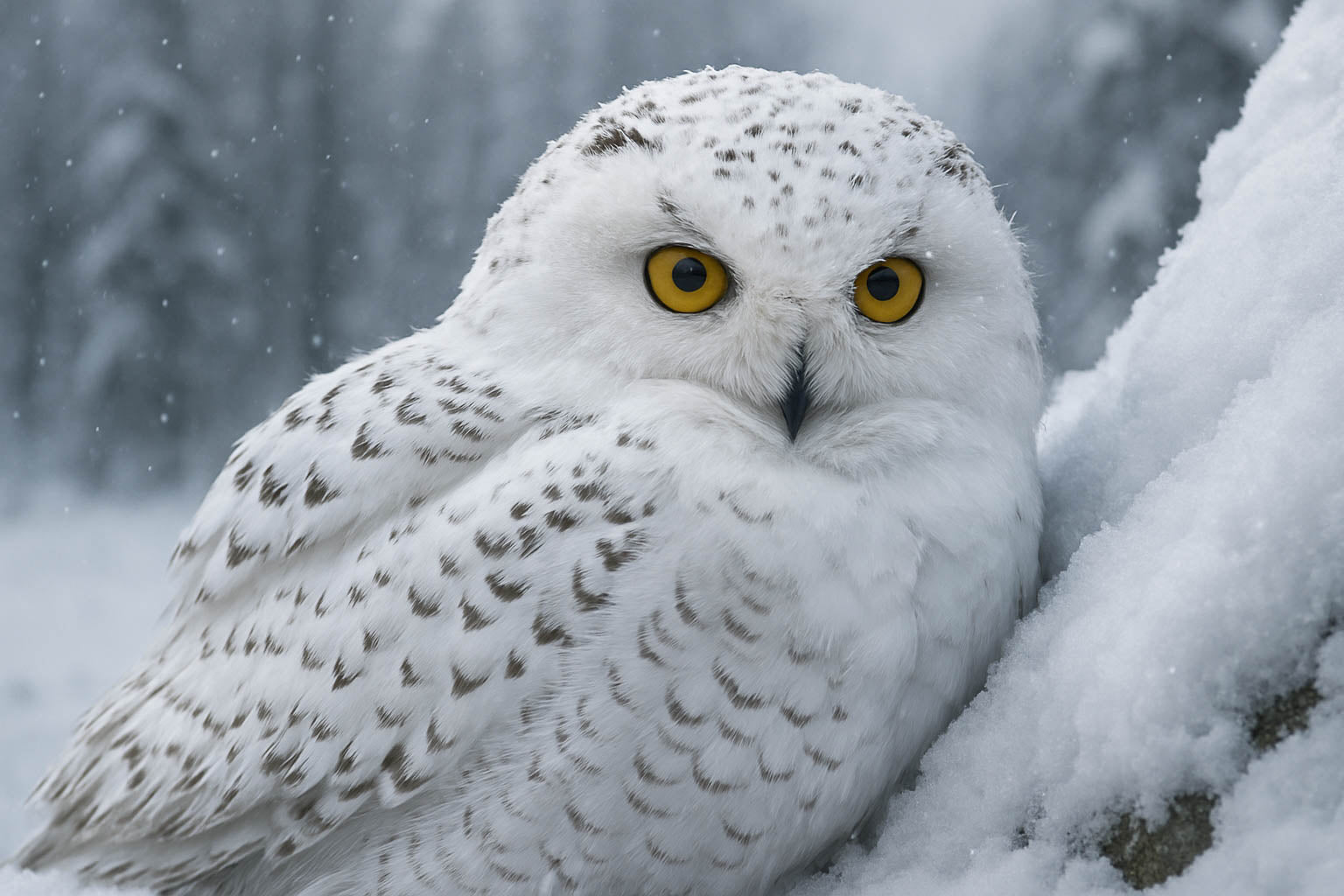
Protecting Your Bird Feeder from Harsh Winter Weather
Snow, ice, and wind can make it difficult for birds to access food. A few small adjustments help keep feeders usable all season:
- Use Weather Guards: Shields prevent snow and rain from soaking seed.
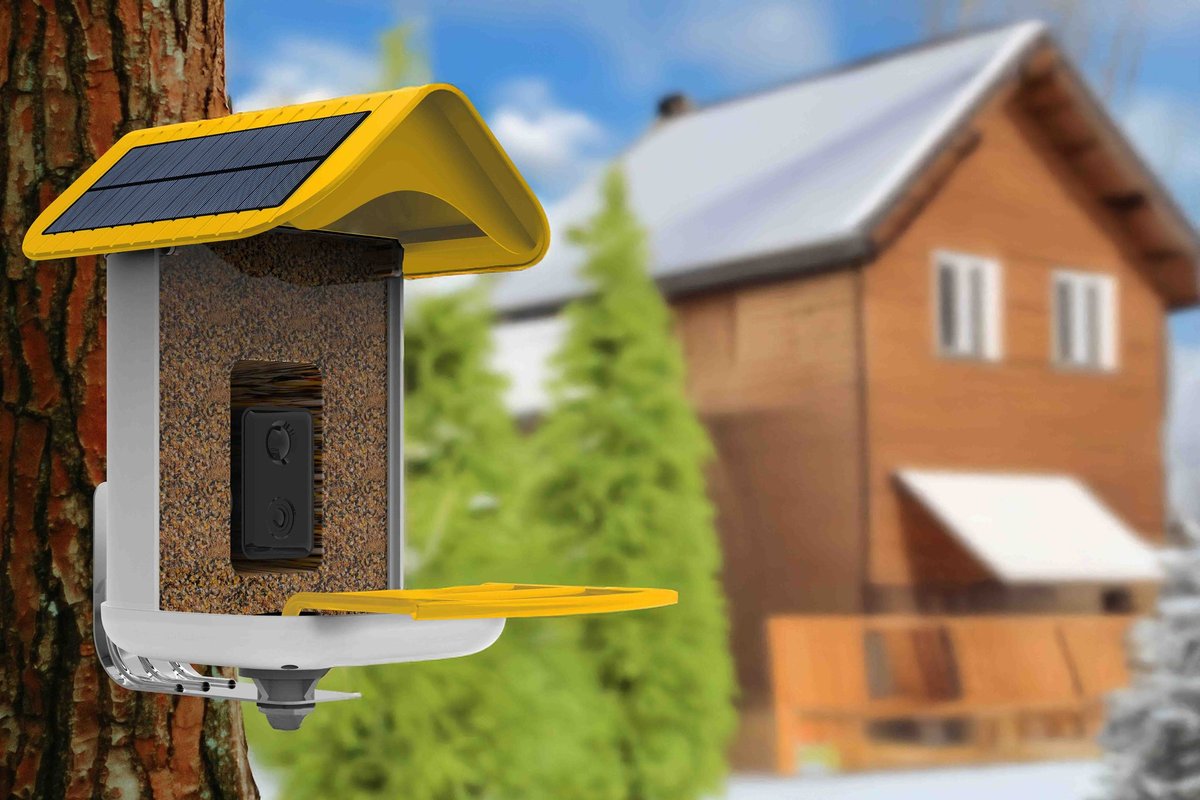
- Choose Covered Feeders: Tube feeders with domes or hopper feeders with roofs keep food dry longer.
- Keep Feeders Stable: Mount feeders securely so they don’t swing or spill during storms.
- Clear Snow Regularly: Brush snow away from feeder openings after storms so birds can access seed.
Why Winter Feeding Is So Important
Feeding birds in winter does more than help them survive — it supports your local ecosystem.
- Energy Boost: High-fat foods replace the energy birds lose to cold weather.
- Migration Support: Some birds stop at feeders during long journeys south.
- Population Health: Reliable feeding stations can help species return strong in the spring.
- Enjoyment: Winter brings unique visitors like juncos and redpolls that may not appear other times of year.
Providing food also creates a sense of connection. When snow covers the ground, a busy feeder becomes a reminder of resilience and life in your backyard.
Winter Feeder Maintenance Tips
Cold weather means more effort for both you and your birds. Keep feeders safe and sanitary with these practices:
- Clean Often: Ice and moisture can cause mold. Wash feeders with warm water every couple of weeks.
- Prevent Clumping: Store seed in a dry, airtight container. Discard wet or spoiled food.
- Refill Consistently: Birds rely on dependable food sources. Keep feeders stocked daily, especially during snowstorms.
- Check for Damage: Cold weather can crack plastic or warp wood — inspect feeders regularly.
Why Smart Feeders Make Winter Birding Easier
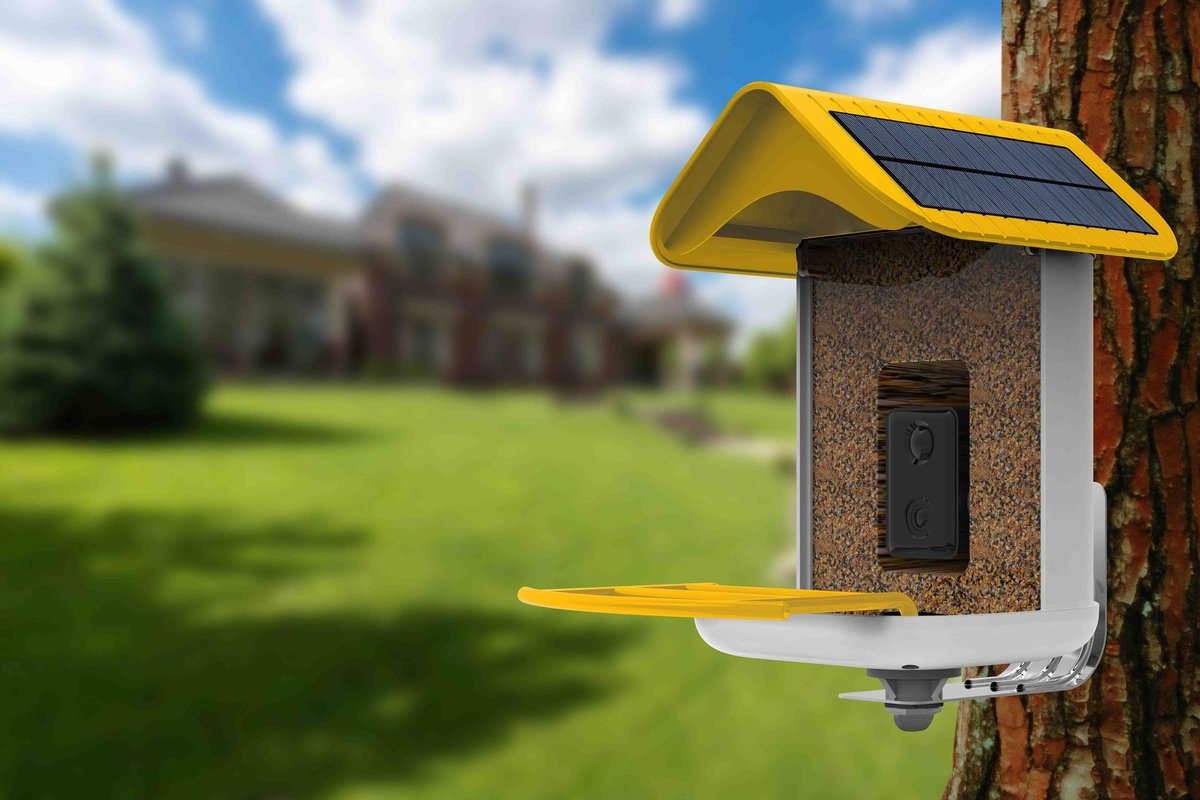
Winter birdwatching can be magical, but it’s not always convenient to stand outside in the cold. That’s where Trail Optics smart bird feeders shine.
- Built-in cameras let you watch and record winter visitors from the comfort of your home.
- Notifications alert you when new species arrive, even during snowstorms.
- Durable construction keeps food dry and accessible, no matter the weather.
- Data tracking helps you understand patterns in winter bird activity.
Smart feeders combine the joy of traditional bird feeding with the convenience of modern technology, making your backyard a true winter refuge for birds — and a source of daily wonder for you.
By offering high-energy foods, protecting your feeders from the elements, and maintaining them through the season, you give birds the support they need during the toughest months of the year. With the right setup, your backyard can become a lifeline for birds and a source of beauty for you all winter long.
At Trail Optics, our smart bird feeders make it simple to enjoy these moments up close without stepping into the cold. This winter, prepare your feeders — and prepare for unforgettable birdwatching.